Who uses AAC?

AAC (Augmentative and Alternative Communication) supports people of all ages who communicate in ways other than spoken words. Some individuals use AAC all the time, while others use it occasionally or in specific situations.

AAC is a valid and complete form of communication. It’s part of a multimodal communication approach, where spoken language is just one of many ways people express themselves.

There can be lots of reasons you need AAC – let’s explore some below.

Reasons for using AAC
Someone has no speech

Someone has no speech

Some individuals do not use spoken language as their primary means of communication. This may be due to:

  • Neurodevelopmental disability (e.g., autism)
  • Physical or motor disability (e.g., cerebral palsy)
  • Genetic or neurological conditions

It may be that the person has never developed spoken language, or finds it too effortful. For people who have no speech, AAC provides an alternative to spoken language, giving someone who has no speech a method to express themselves.

Someone has lost their ability to speak

Someone has lost their ability to speak

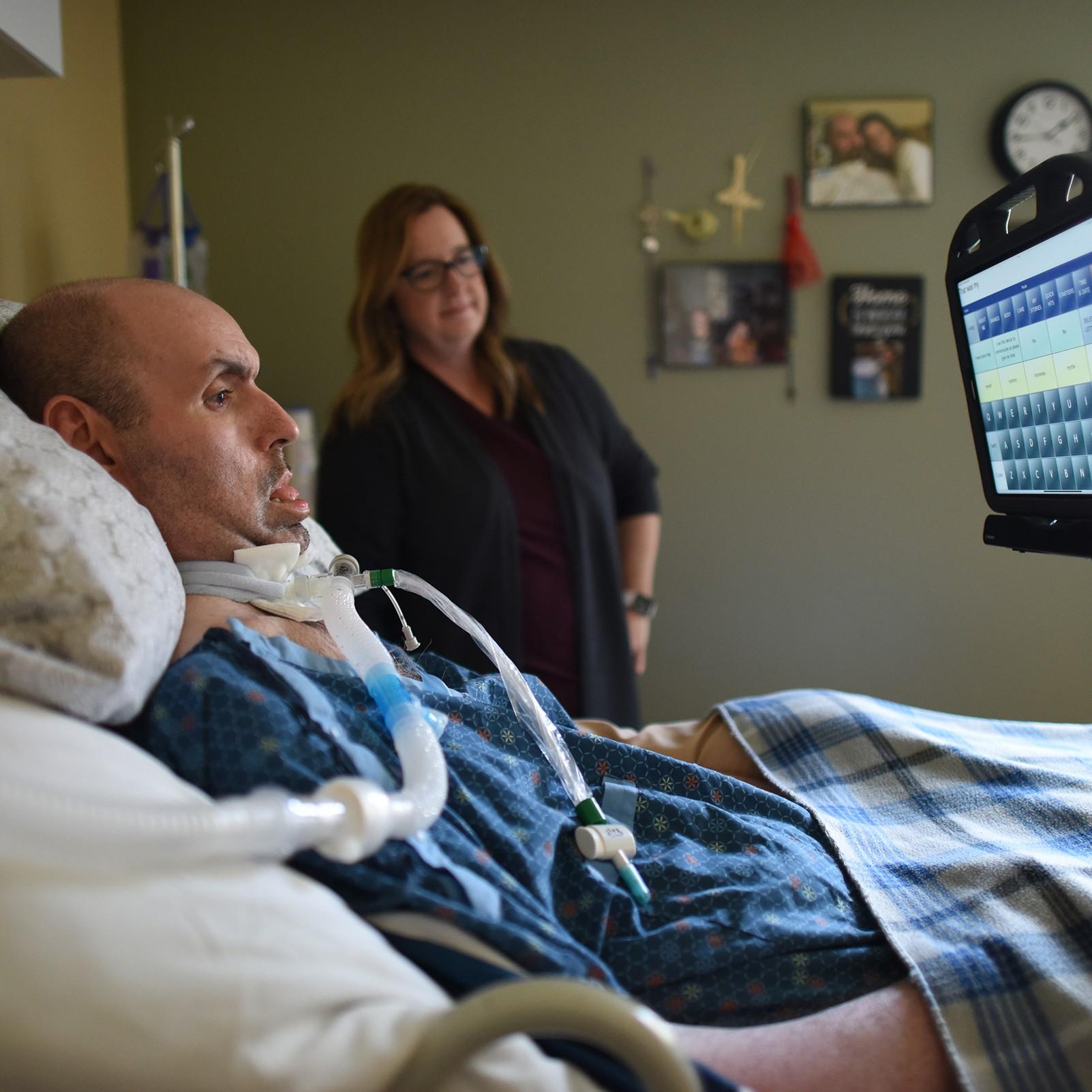
Some people experience changes in their ability to speak. They may no longer be able to use their speech to communicate. This can be due to:

  • Stroke or brain injury
  • Progressive conditions (e.g., MND, Parkinson’s)
  • Surgical or medical interventions

It may be that the person’s speech is affected suddenly, or this can happen gradually. For this group of people AAC can provide either an alternative to the speech they have lost, or can be augmentative – supporting their speech as it begins to be affected. It is important that if someone has lost, or is losing their speech, AAC systems should support authentic communication, reflecting how speech was previously used where possible, using tools like message and voice banking.
Someone is unable to use speech at times

Someone is unable to use speech at times

Some people may not always be able to rely on using spoken words. This can happen for many reasons, such as:

  • Sensory overload or anxiety
  • Selective mutism
  • Temporary medical conditions (e.g., intubation)
  • Environmental factors (e.g., noise, fatigue)

Using AAC instead of speech at times is perfectly valid – the most important thing is that each person can communicate in a way that feels safe and accessible to them. The priority is that the person is able to express themselves – in any manner. For people who use both speech and AAC, AAC can sometimes provide an alternative – at times when speech feels too difficult, or can be augmentative – supporting someone’s speech when they feel they can’t fully communicate what they want to using speech.

Someone has speech and AAC supports it.

Someone has speech and AAC supports it.

AAC can complement spoken language for individuals who:

  • Have speech that is difficult to understand
  • Are developing language skills
  • Use speech inconsistently

AAC should be used as one tool in a communication toolkit to give people confidence and autonomy in expressing themselves in ways that work best for them. In this situation AAC is augmentative – supporting a person’s speech to help them effectively express themselves.

Ready to Explore AAC Support?

Ready to Explore AAC Support?

Whether someone has no speech, is losing their speech, or needs support at certain times – AAC can make a meaningful difference.
Connect with your Regional AAC Consultant today to find the right tools, strategies, and support tailored to individual communication needs.

We’re here to help every step of the way.