Who funds AAC? How to Find Funding for AAC Devices
You may be able to get funding for an AAC (Augmentative and Alternative Communication) device through public services like health or education, depending on whether you meet the criteria set by the funding body. These criteria can vary by service and location. If public funding isn’t available, there are also several charities that support AAC users by providing funding for communication aids.
We’ve included links to some of the main funding providers. If you need help or can’t find information for your area, get in touch with us. Our experienced team has strong local knowledge and can help you explore your options and find the right solution
Public funding
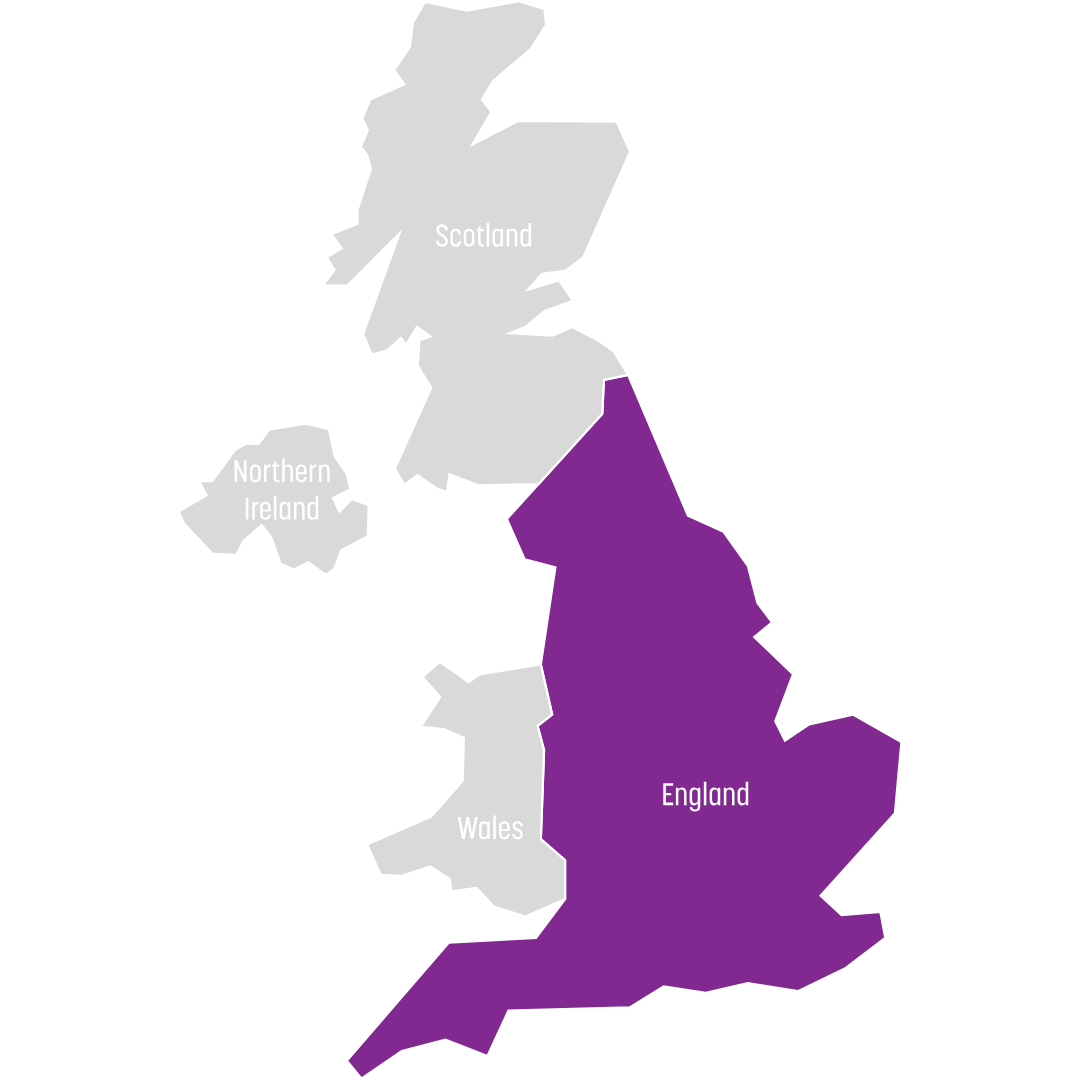
England
In England, AAC public funding is provided through two main routes:
Specialised NHS AAC Services: These regional centres support individuals with the most complex communication needs. To access this funding, a referral must be made by a health, education, or social care professional.
Local Services: For those who don’t meet the criteria for specialised services, local NHS teams, education authorities, or social care may provide funding. This includes support through Speech and Language Therapy, SEND plans, or Disabled Students’ Allowance.
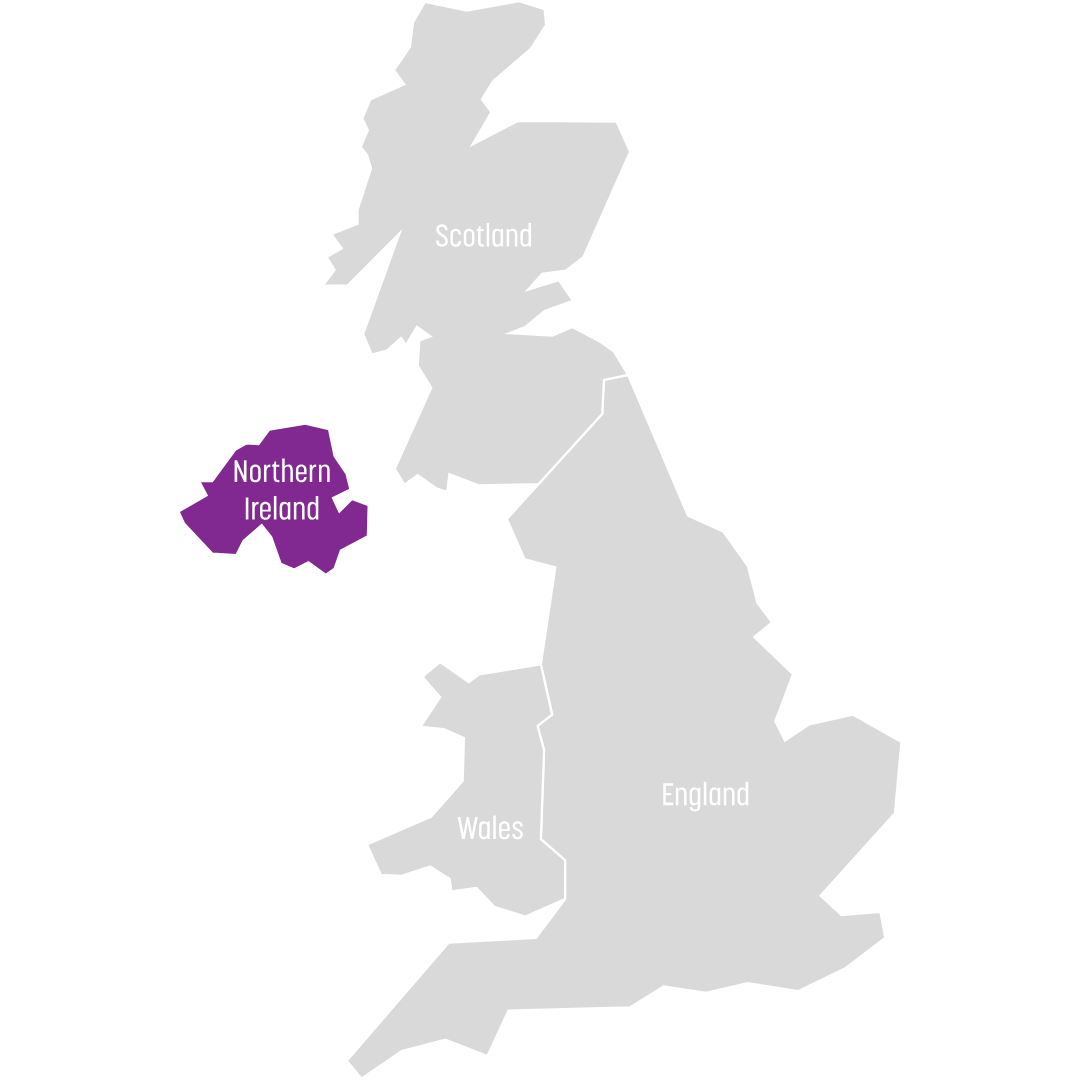
In Northern Ireland, high-tech AAC services may be funded by the NHS and delivered through the Belfast Health and Social Care Trust (BHSCT). Local Speech and Language Therapists, based within NHS-funded Health and Social Care Trusts (HSCTs), collaborate with the Northern Ireland Regional Communication Advice Centre Service (CAC) to identify individuals who may benefit from a referral. Only registered healthcare professionals can refer into BHSCT for a high-tech AAC assessment.
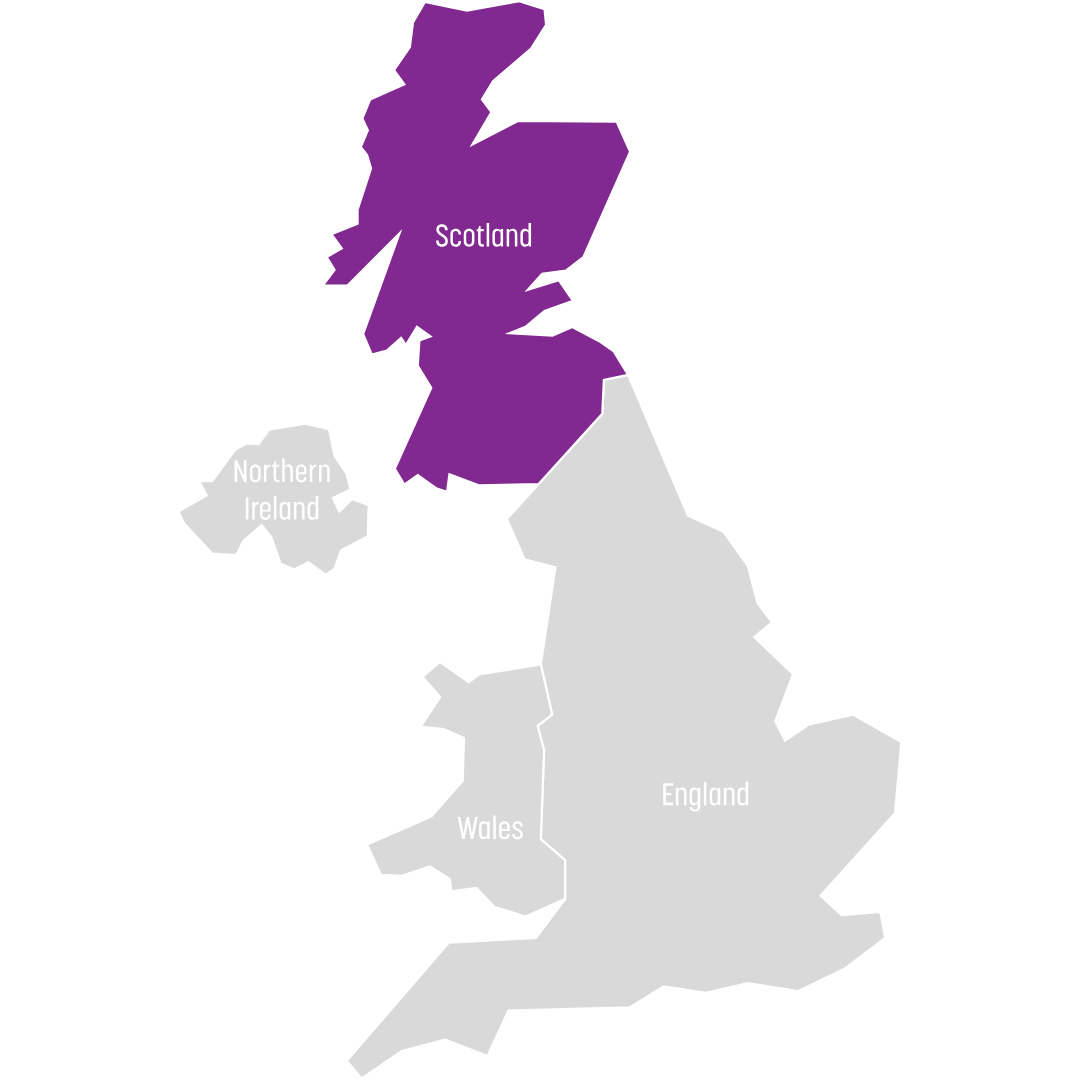
Since 2018, there has been a legal duty for NHS Boards and Integration Joint Boards to provide communication equipment and support to anyone who needs it. This includes children, young people, and adults who have lost their voice or have difficulty speaking. Both low-tech (like symbol books) and high-tech (like speech-generating devices) options are available, depending on individual needs.
Funding and support can vary slightly depending on where you live in Scotland. We recommend reaching out to your local AAC service or healthcare professional for personalised advice.
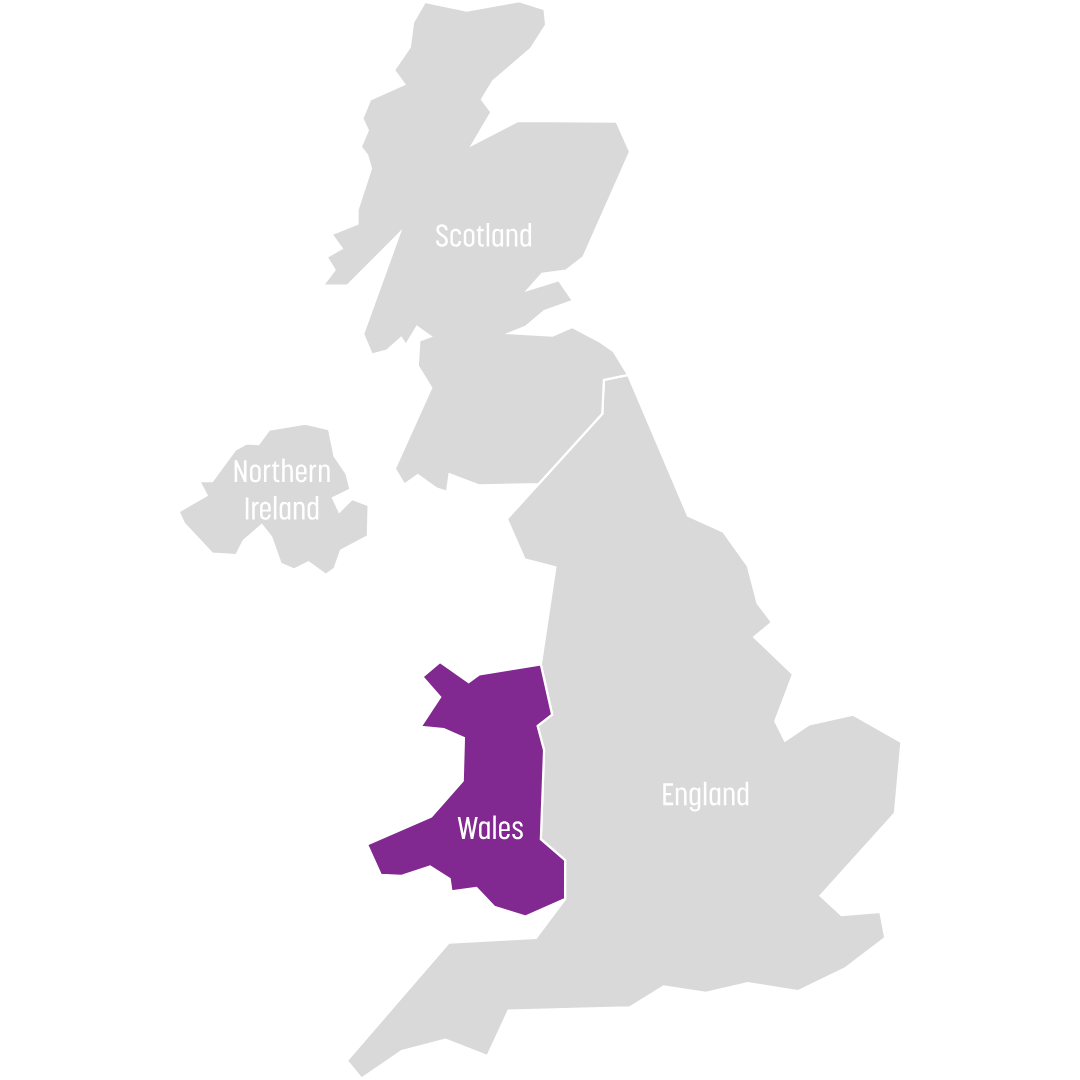
The National Centre for Electronic Assistive Technology (NCEAT) Wales is a specialist service commissioned and funded directly by NHS Wales. It provides high-tech AAC and environmental control solutions for individuals with the most complex needs.
NCEAT offers comprehensive assessments, equipment provision, and ongoing training tailored to each person’s communication and access requirements.
Local AAC services, funded by individual NHS Health Boards, typically support low-tech AAC provision. If a person requires high-tech AAC, a referral to NCEAT can be made by a registered healthcare professional.
Referrals to NCEAT must be submitted by registered health professionals and are essential for accessing specialist assessment and support for high-tech AAC solutions.
In Ireland, AAC devices are funded through the HSE Aids and Appliances Scheme. A healthcare professional (such as a Speech and Language Therapist) must assess the individual and confirm a clinical need for the device.
Recently, Ireland launched its first publicly funded AAC programme, providing devices and training to autistic children and young people.
Charity Funding for AAC Devices in the UK and Ireland
If public funding isn’t available, charity funding offers a vital alternative for individuals in the UK and Ireland seeking AAC devices. It’s important to note that each charity has its own criteria and application process.
Our consultants have expert local knowledge and can guide you to the most suitable options, and application processes so don’t hesitate to reach out.