Important AAC features

As part of a team discussion about AAC, you’ll need to think about the features which will be important for the potential AAC user.

We are all unique in our interests, physical needs and language abilities and it’s important that an AAC system reflects this.

Consider the factors below when thinking about AAC for someone.

Important things to consider

Things to consider when exploring AAC

Graphic

How is the person going to access the device?

Access
Graphic

Which words will be important?

Vocabulary
Graphic

How will the person carry the system?

Portability
Graphic

Where will the person be using the device?

Environment
Access

Access

Everyone communicates differently – and that includes how they use AAC (Augmentative and Alternative Communication). It’s important that each person can access their AAC system in a way that feels natural and comfortable for them.

There are many ways to use AAC, and these are called access methods.

Some people might:

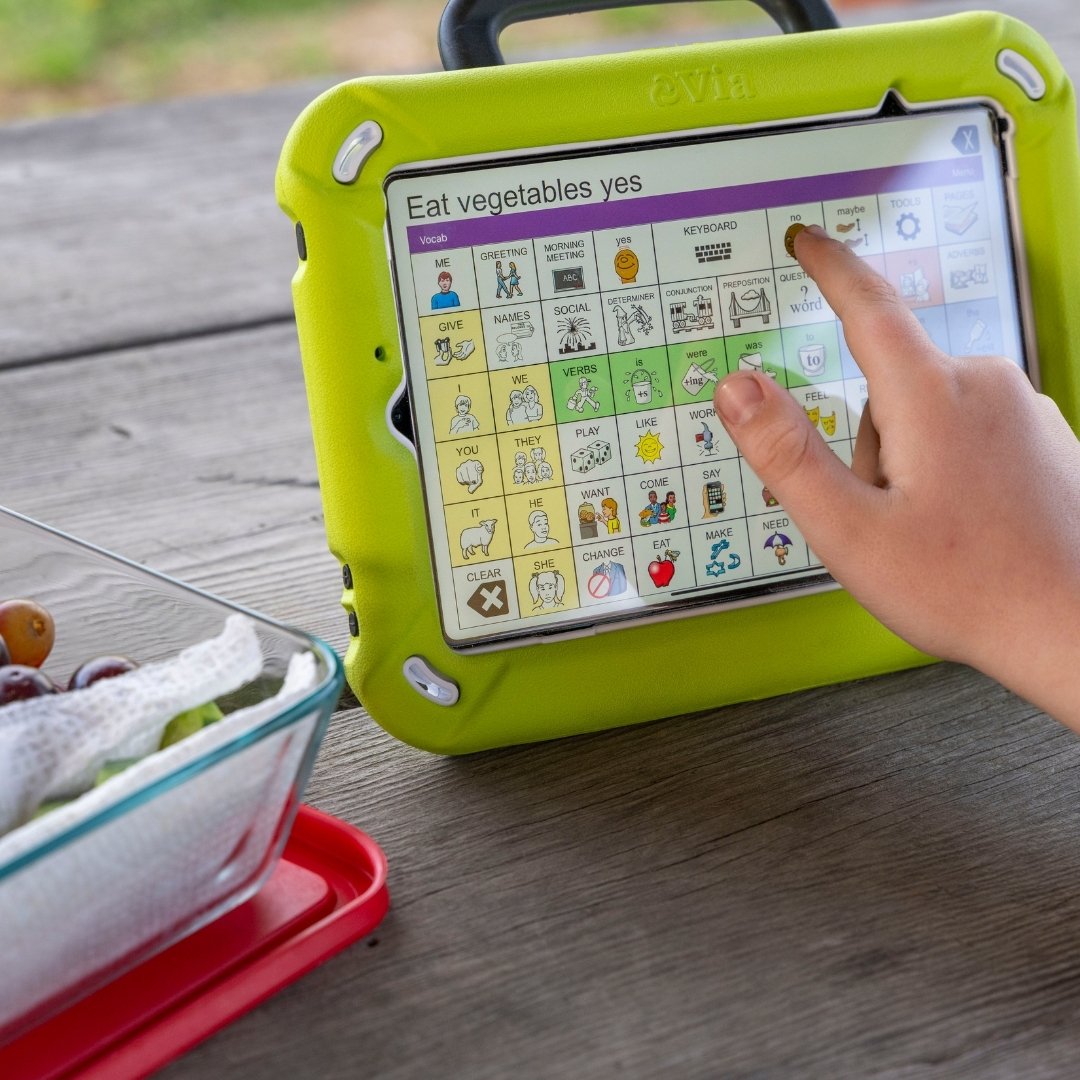
  • touch the screen (direct access)
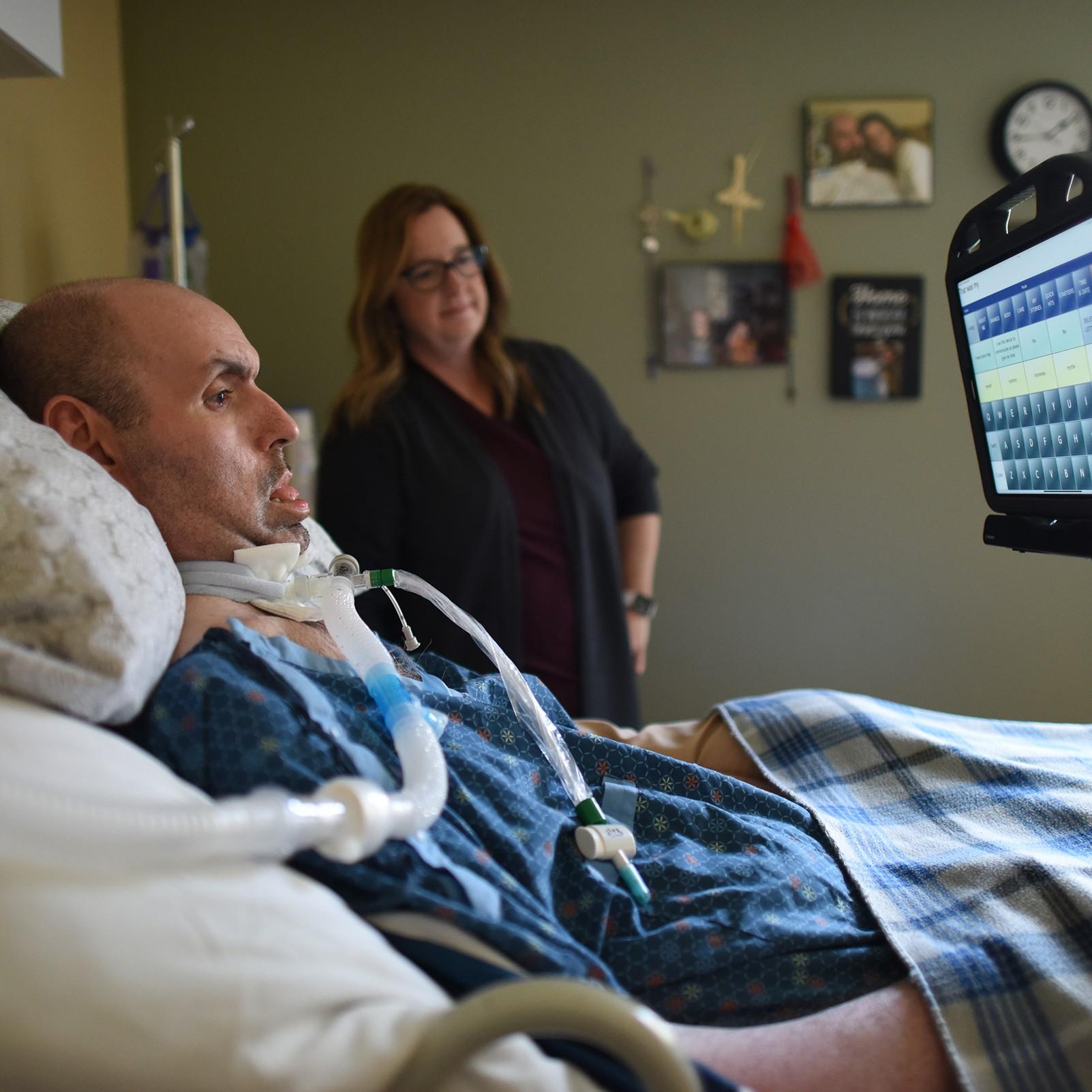
  • use their eyes to look at what they want to say (eye-gaze)
  • press a switch (switch-scanning)
  • move their head (head-pointing)
  • or even use their feet!

The best method depends on the person’s physical abilities, sensory needs, and personal preferences. Some people may use different access methods at different times – this is OK – in fact it’s great! It shows the person has a system which is adaptable to their needs.

To find the right setup, it’s helpful to work with physiotherapists and occupational therapists. They can offer expert advice on positioning the AAC system and choosing the most effective access method. The goal is always the same: to make communication as easy and empowering as possible. We have some great resources to both evaluate and develop access skills across a range of access methods.

Vocabulary

Vocabulary

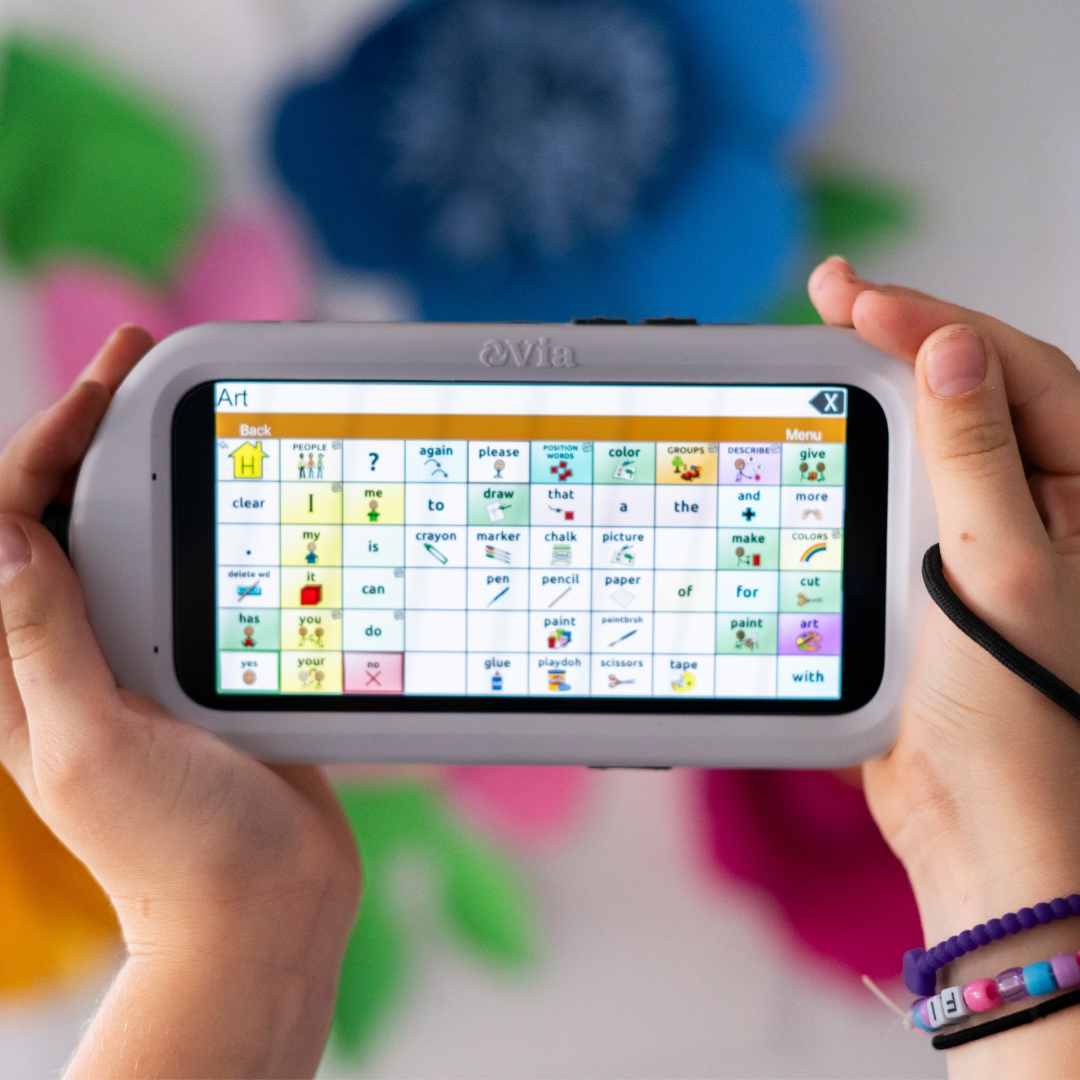
The words within an AAC system are called a vocabulary.

Think about the words that are important for the person who will be using AAC. What do they like to talk about?

Try not to just choose naming words (fringe words) – we need all the other parts of speech too (core words) as they allow us to make meaningful sentences and communicate lots of different things – even if we are only using one word!

Consider how many words a person will be able to manage with at one time. Think about if they will need pictures (we call them symbols) to help them. If someone is still developing their sentence building skills, make sure to choose a system they can grow into, so it will suit them in the future, as well as now.

Look for systems that offer a rich, flexible vocabulary including core words, fringe words, and culturally relevant language. Also make sure to consider if a person needs multiple languages within their AAC system. It’s essential that the person can say what they want, when they want, without unnecessary barriers.

It’s also important to think about how the words should be organised. AAC vocabularies are arranged in different ways – each system has it’s own benefits and it’s important to look at all of the options before making a decision. Make sure to discuss this with your Speech and Language Therapist, if you have one. Your Regional AAC Consultant will also be able to talk through the different systems with you.

Most importantly of all, make sure the person who will be using the AAC device has the chance to explore different vocabularies. Ultimately, it will be their voice and it’s important they have the chance to explore the options.
Portability

Portability

It’s important to think about how the person will move around with their AAC – as we don’t communicate in just one place!

If a person uses a wheelchair, we need to find a device that can easily fit on their tray or be mounted onto their wheelchair.

If a person is able to walk we need a device which isn’t too heavy for them to carry – we also need to consider if they use any mobility equipment such as a walking frame, and make sure the device can easily be carried whilst using it.

Remember to consider size, weight, battery life, and how easily it can be carried or mounted in different settings.

Environment

Environment

When you use speech, you can usually communicate everywhere you go – the same should apply if you use AAC!

The places where a person uses their AAC system, like home, school, work, or out in the community, can have a big impact on what kind of AAC will work best for them.

Ask yourself – What is the purpose of this AAC solution? Is it to help someone take part in a particular routine or activity or is it something we are hoping the person can use across their day?

By thinking about where and how the AAC will be used, we can choose a system that fits the person’s daily life which will hopefully make communication easier, more natural, and more reliable.

Exploring factors in detail

Exploring factors in detail

Choosing the right AAC solution involves understanding a range of individual needs and preferences. It can feel overwhelming but we are here to help.

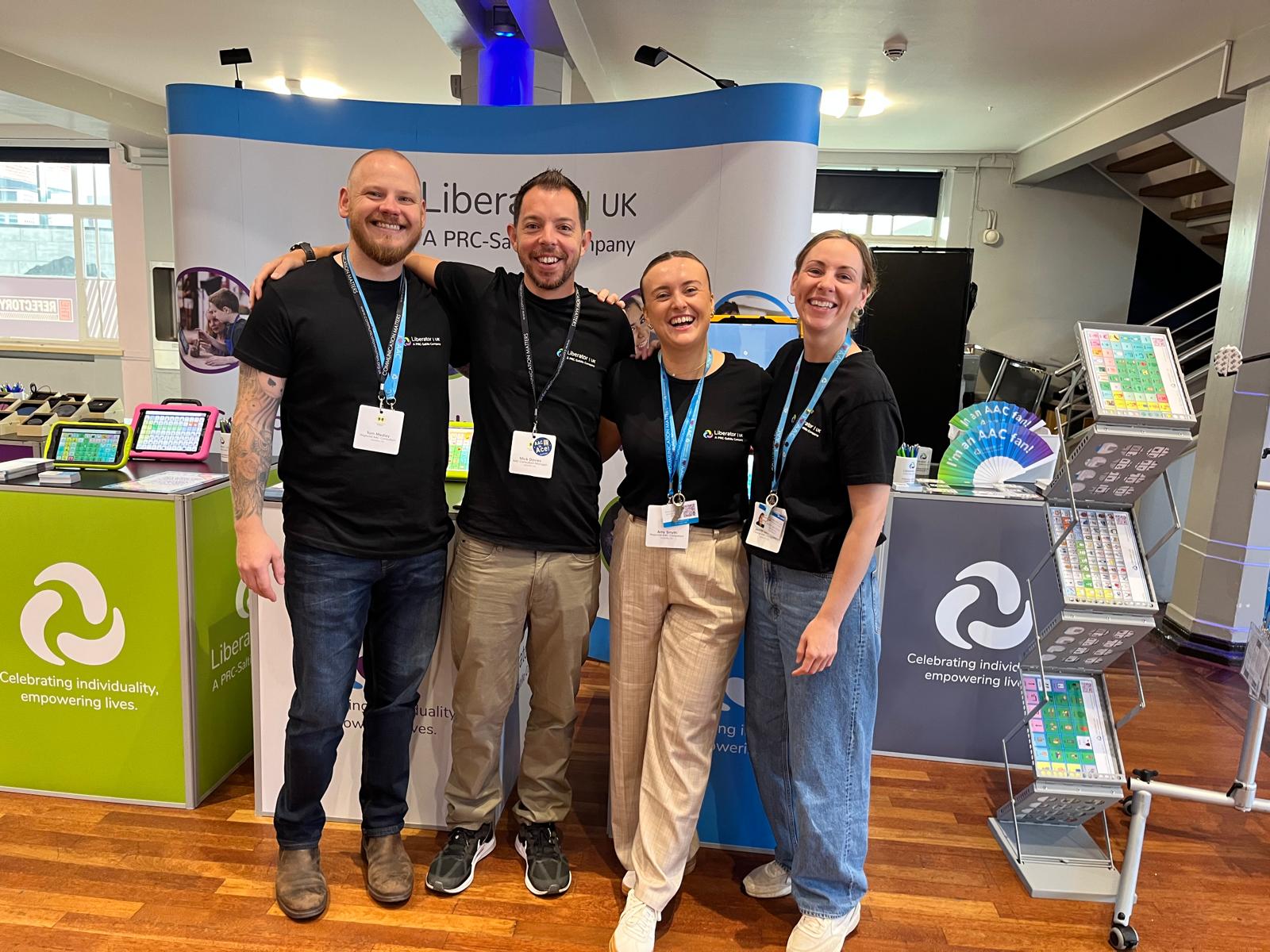
We’re here to make exploring augmentative and alternative communication (AAC) simple and supportive. Our experienced Regional AAC Consultants offer free guidance, from initial conversations to detailed assessments and follow-up reviews, helping families, therapists, and individuals find the right communication solutions with confidence.

Whether you’re seeking support for your child or family member, a therapist working with complex needs, or simply curious about AAC, our team is ready to help. With no cost, no pressure, just expert support.

Let’s take the first step together. Contact us today to speak with a Regional AAC Consultant and discover how we can help.